Discovery
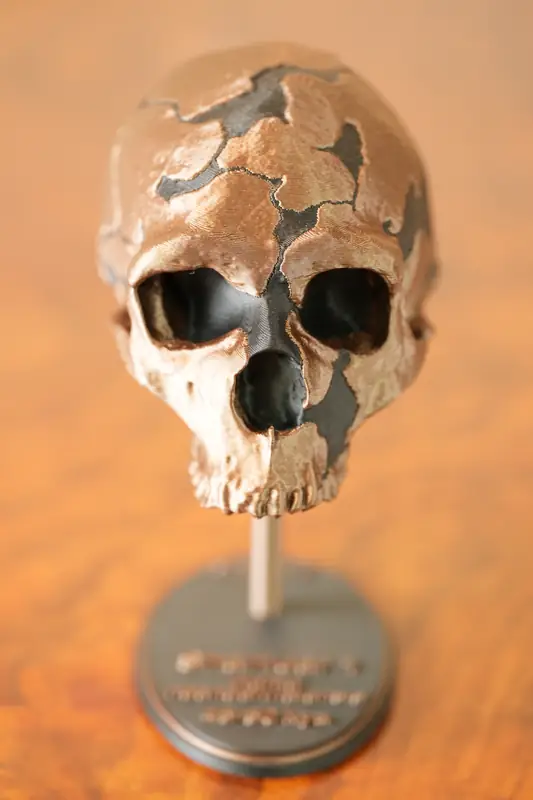
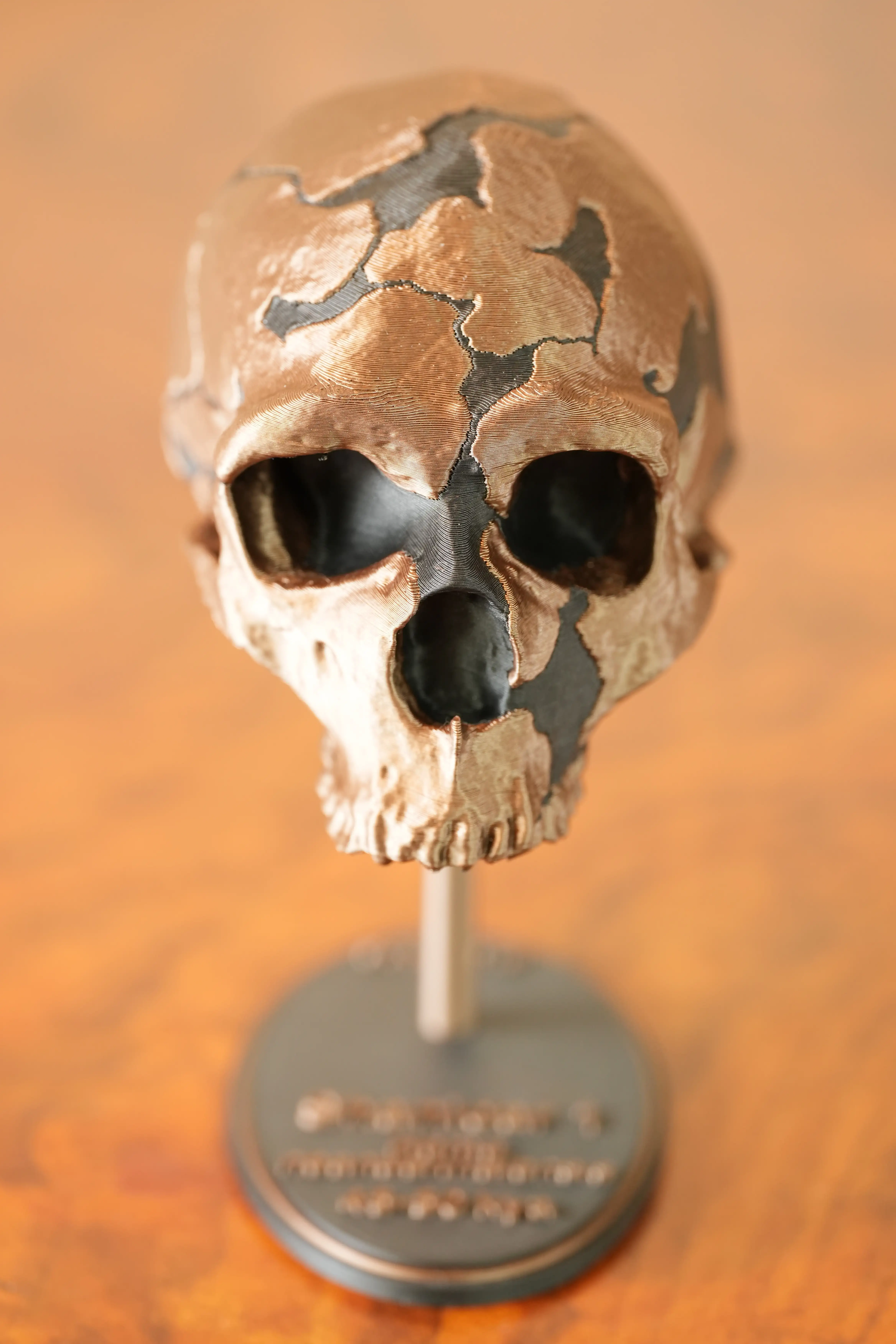
In 1957, excavators led by Ralph Solecki uncovered a remarkably complete Neanderthal skeleton in Shanidar Cave, high in the Zagros Mountains of northern Iraq.
Why Shanidar 1 Matters
Estimated to be 40–50 years old at death, Shanidar 1 lived with several injuries throughout his life. He had a crushed left eye socket that likely left him partially blind, a missing right forearm and hand, major arthritis in the legs that would have caused a painful limp, and bony growths in the ear canals consistent with serious hearing loss. His long survival is considered evidence of caregiving in Neanderthals.
Neanderthal Context
Researchers have identified hundreds of Neanderthal individuals across Europe and Asia and sequenced DNA from dozens. Genetic evidence suggests their lineage and ours split over 400,000 years ago, yet later interbreeding is clear: most people outside Africa carry about 1–2% Neanderthal ancestry.
Isotope signatures suggest heavy reliance on hunted game. Their front teeth show distinctive wear from using the mouth as a "third hand" for hide working. They maintained sophisticated stone toolkits, made composite tools with adhesives, and used fire regularly.
Open Questions
Evidence for symbolic behavior keeps accumulating—eagle-talon jewelry at Krapina, systematic feather collection from raptors at Fumane, ochre imported over long distances, strong burial cases at La Chapelle-aux-Saints, La Ferrassie showing bodies protected from weathering in ways consistent with rapid interment.
But interpreting these finds remains contested. Did manganese dioxide serve as body paint or as a fire-starting accelerant? Were the famous Shanidar "flower burials" deliberate rituals, or did rodents introduce the pollen?
Nevertheless, Neanderthals are no longer considered the brutish simpletons once popularized.